The Opportunity
Google Cloud Next 2026 had to do two things at once. It had to deliver 260 product announcements with the technical precision developers and IT leaders demand — and it had to tell one continuous Cloud story to CXOs, the audience least interested in feature counts. Most enterprise tech keynotes pick a lane. This one couldn’t.
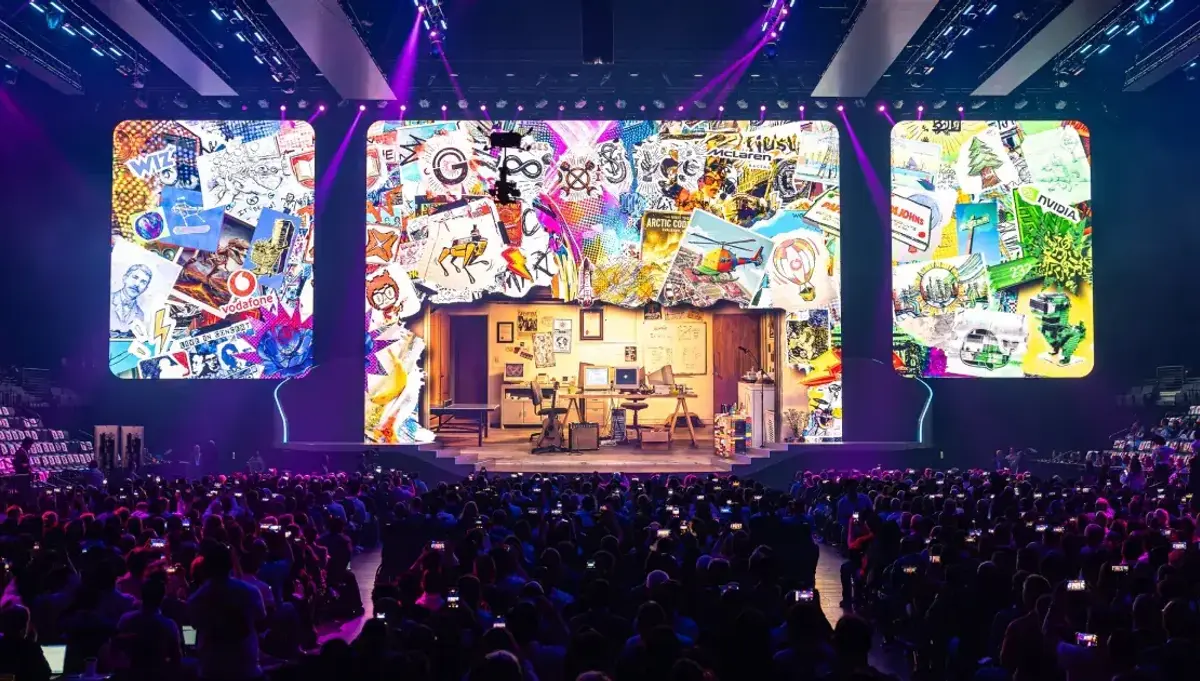
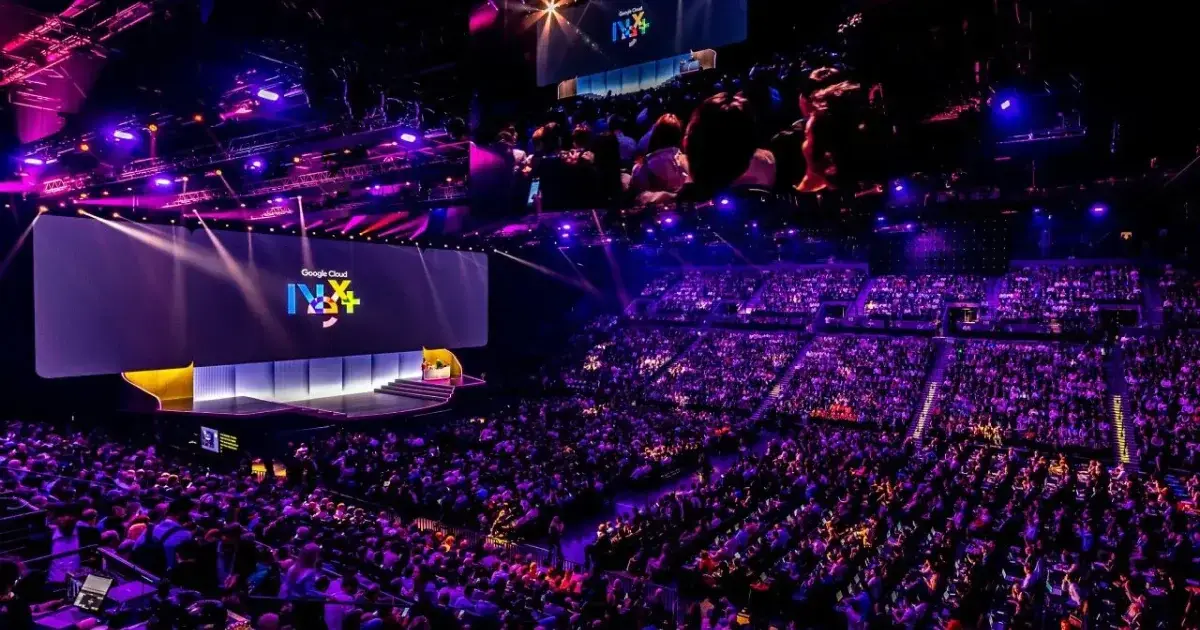
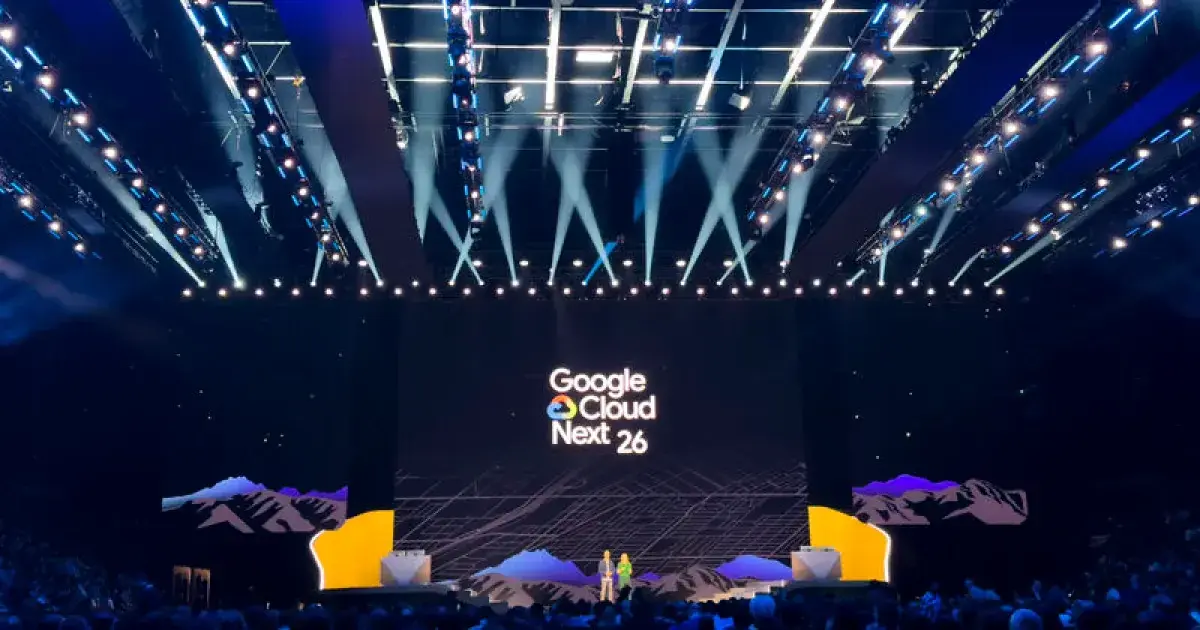
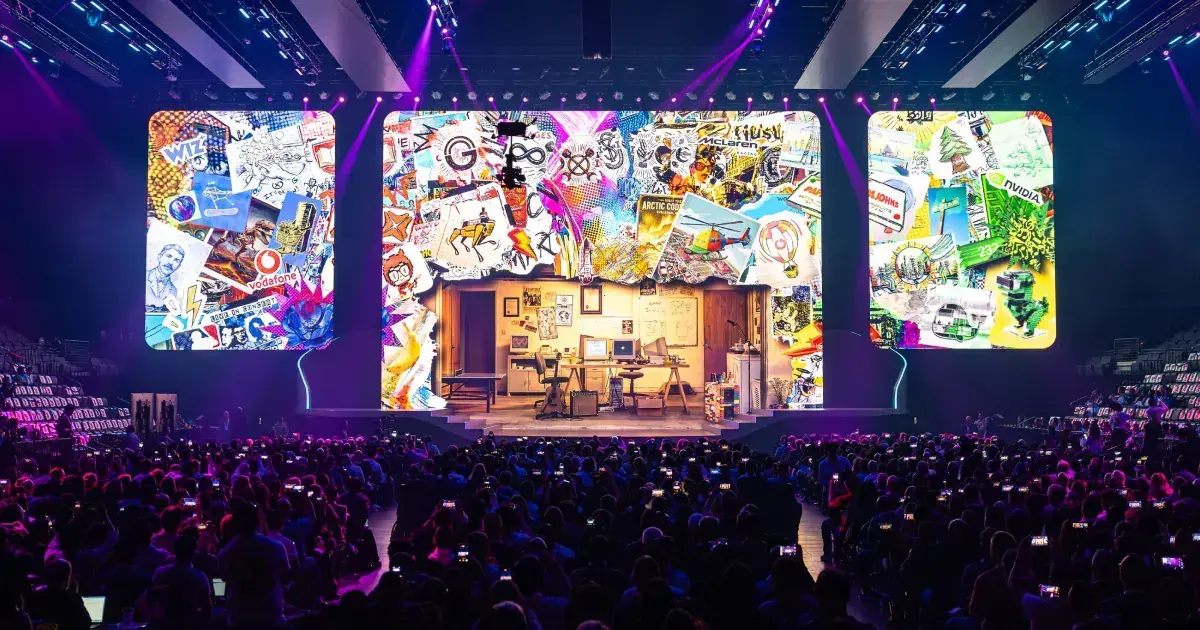
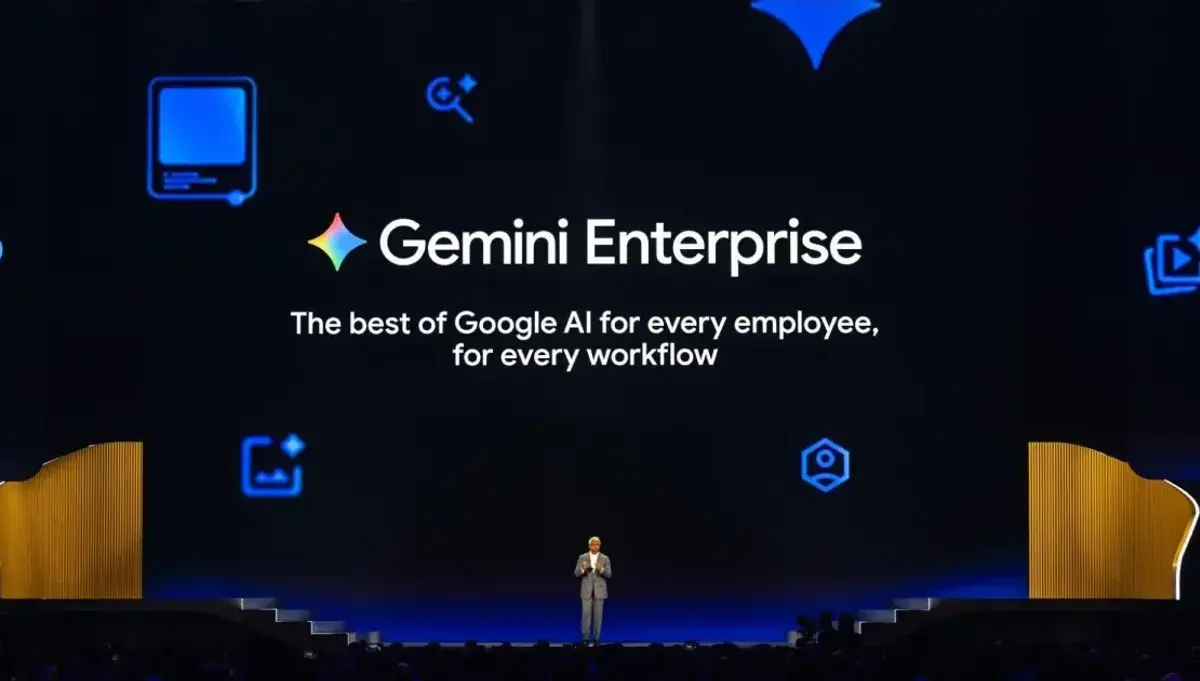
The audience composition is what made the brief specific. CXOs come for strategic clarity. ITDMs come for architectural detail. Developers come for code, demos, and proof. Three audiences. Three vocabularies. One stage, three Keynotes, and a 3.5-hour window to make each audience feel addressed without losing the others. Add the physical canvas — a screen the wingspan of a 737 — and the brief sharpens further: visuals had to be readable from the back of an arena, narratively continuous across two days, and technically resolved at a scale most production pipelines aren’t built for.
Four tensions defined the work:
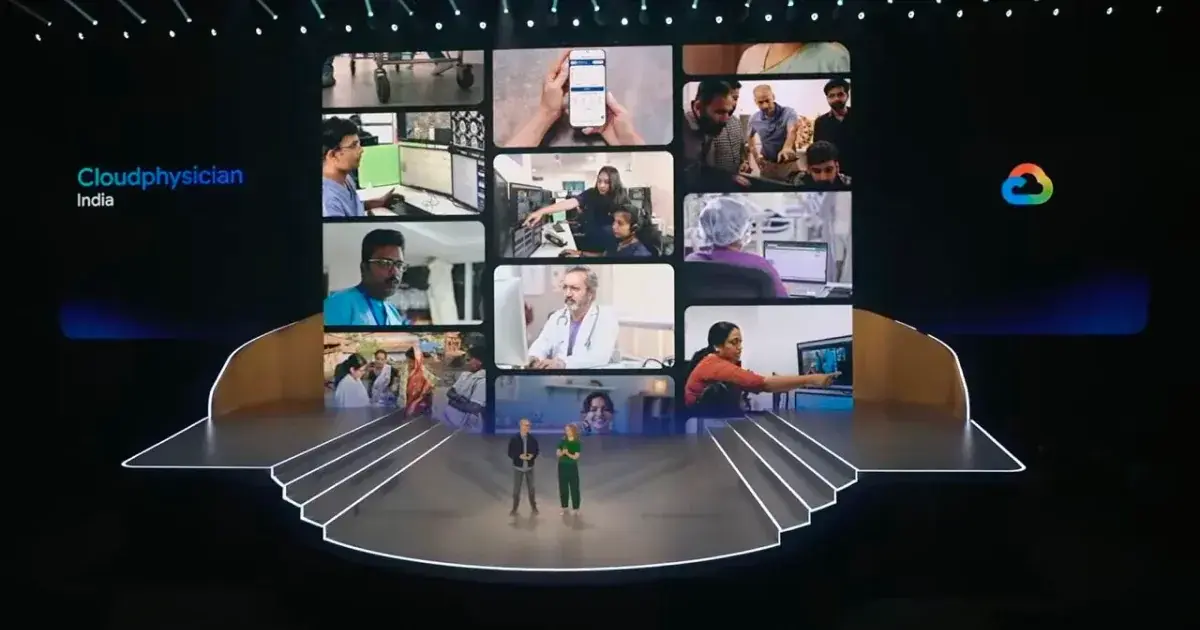
Translating complexity. Cloud computing is abstract. The visual language had to make compute, AI, and infrastructure concepts concrete on a screen taller than goal posts.
Unifying three audiences. CXOs, ITDMs, and developers see the platform from different altitudes. The Keynote system had to address all three within a single visual grammar.
Holding the surface. A screen that large doesn’t tolerate filler. Every frame had to earn its place at scale, and read at distance.
Sustaining tempo across 3.5 hours. Three Keynotes, 260 product announcements, and no slack — the visual system had to sustain narrative momentum without flattening into wallpaper.
The Solution
In partnership with Google, Sparks built the visual system as one continuous design language across all three Keynotes — a single motion grammar, a single typographic logic, a single approach to translating cloud concepts into image. A team of 60+ designers, motion animators, and producers operated as one production unit alongside the Google Cloud team. The result was a Keynote program that read as one editorial voice, even as the speakers, audiences, and announcement density shifted from morning to afternoon.
A canvas built for distance and density
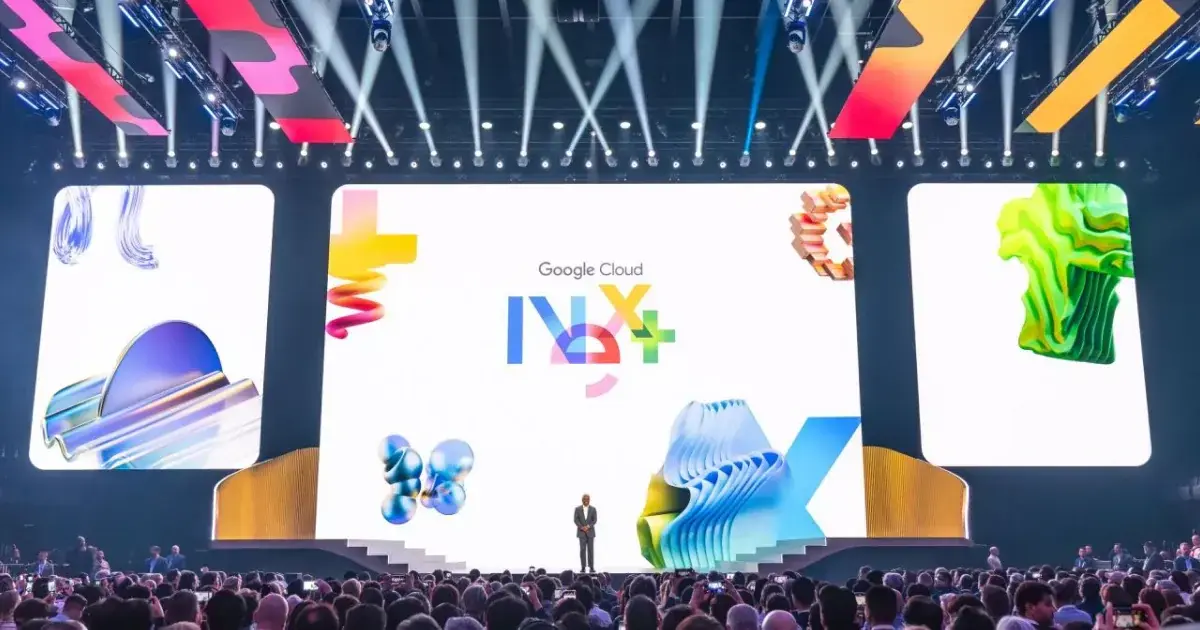
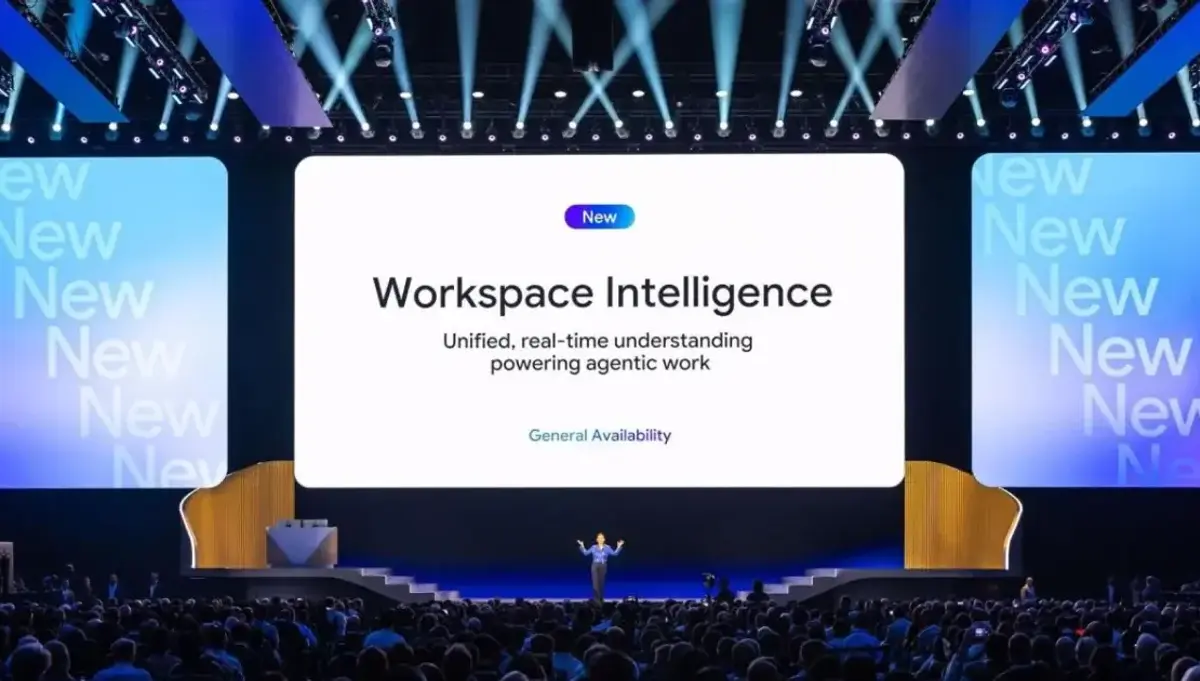
The primary screen carried the wingspan of a Boeing 737 and a height taller than football field goal uprights. Every visual decision keyed off that scale. Typography sized for a fifth-row read had to hold at the back of the arena. Motion that played as elegant at desktop scale read as chaotic on the canvas — so the system was rebuilt for the surface. The screen was treated not as a backdrop for speakers but as the primary storytelling instrument; speakers and stage architecture were composed to it.
One visual grammar across three Keynotes
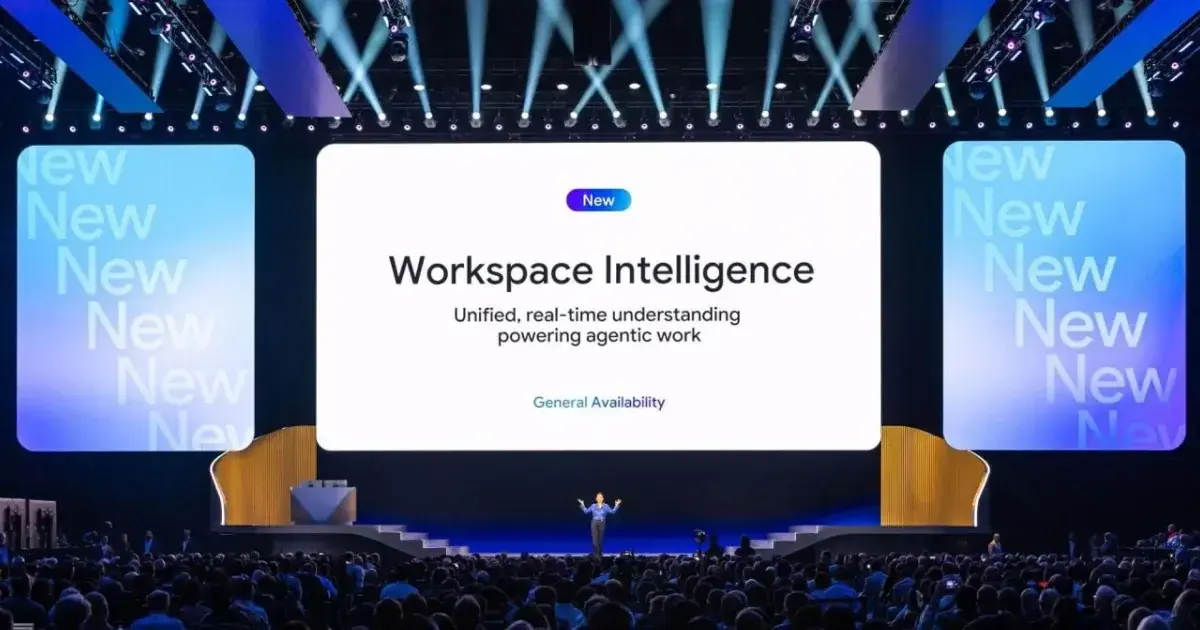
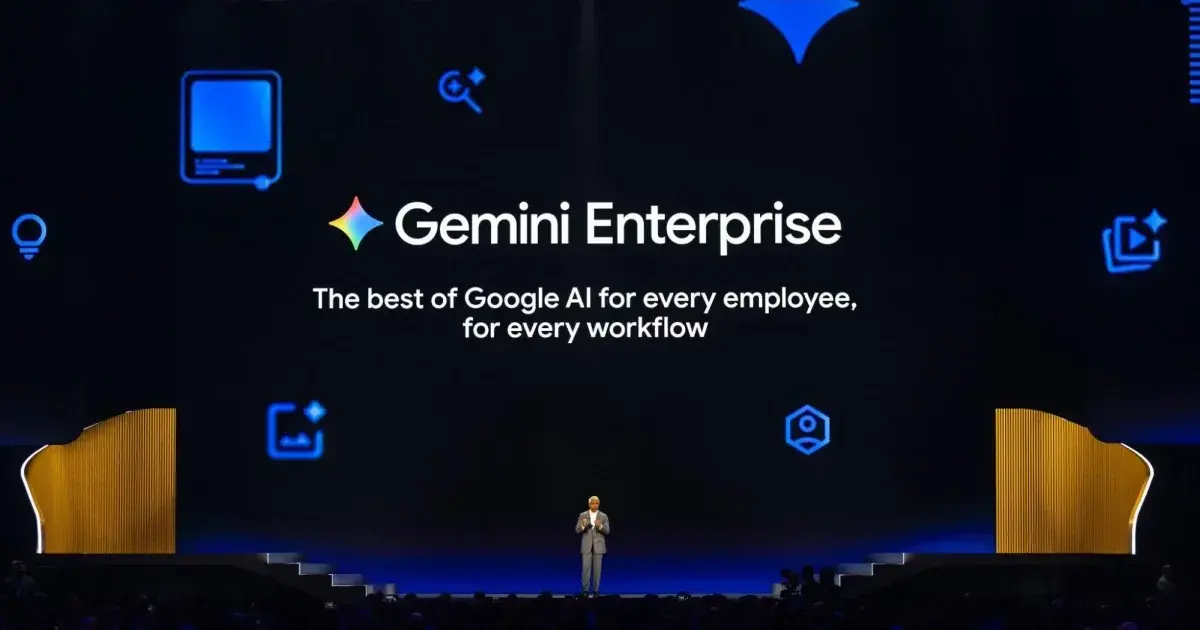
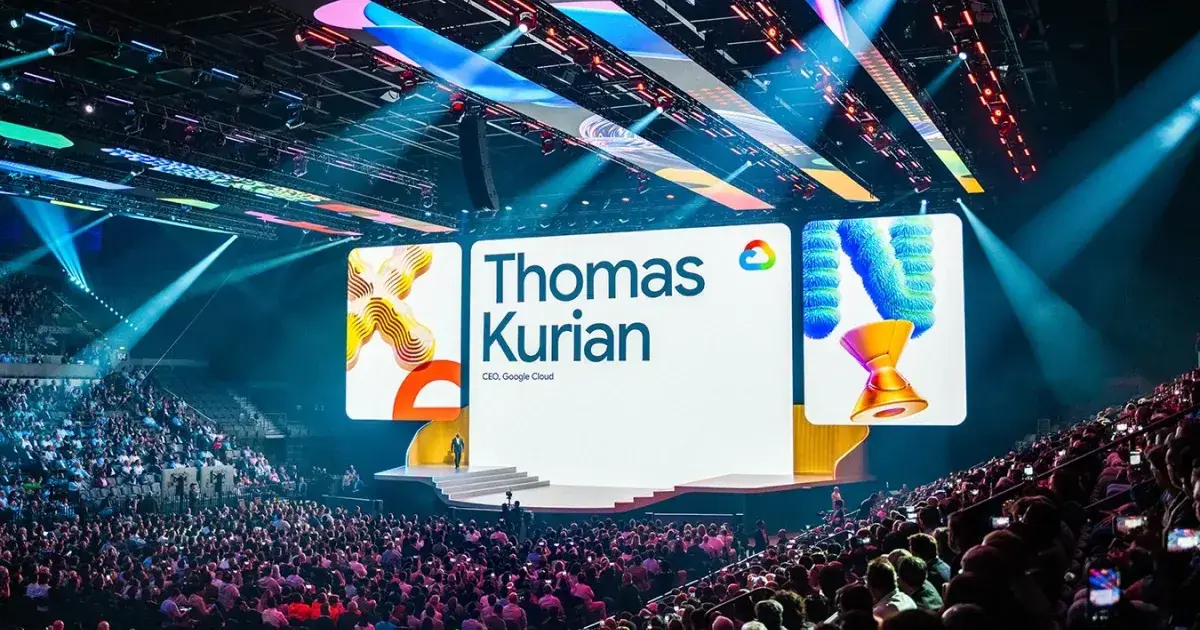
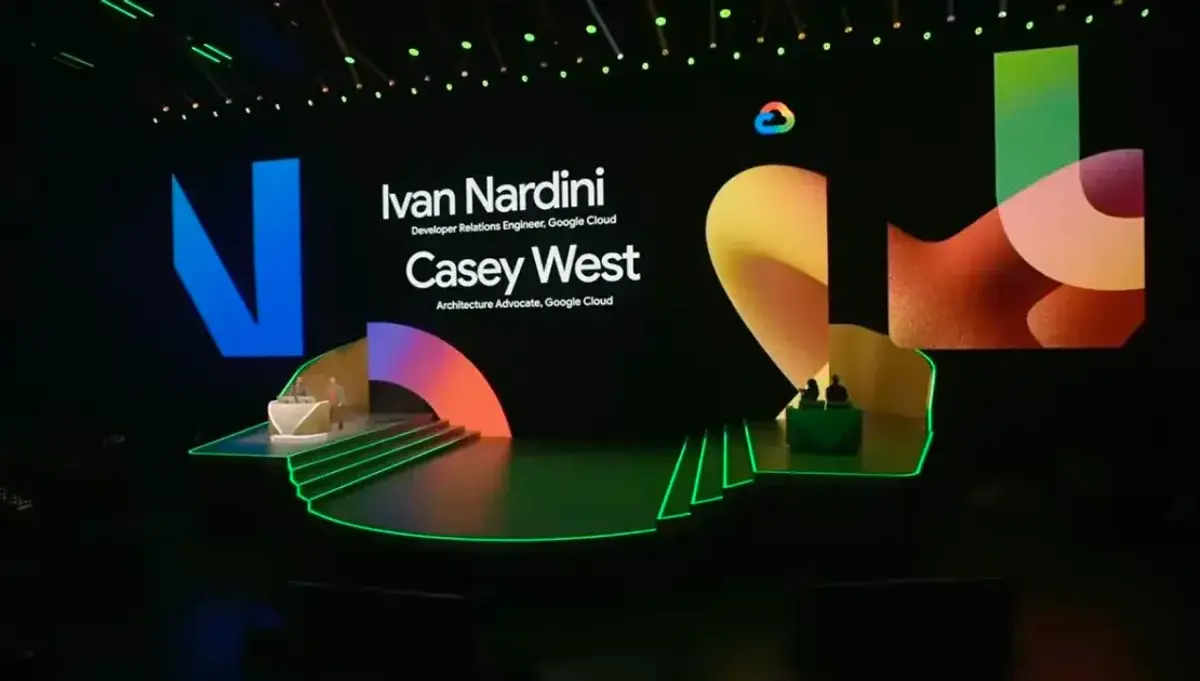
Sparks established motion design guidelines that governed the General Keynote, General Session, Developer Keynote, and Partner Keynote as a single editorial system. Consistent transitions. Consistent ways of rendering data, product diagrams, customer logos, and AI concepts. The CXO audience and the developer audience saw the same visual language at different altitudes — strategic frames for the General Keynote, architectural and code-level frames for the Developer Keynote — but the through-line held.
A complete graphics package
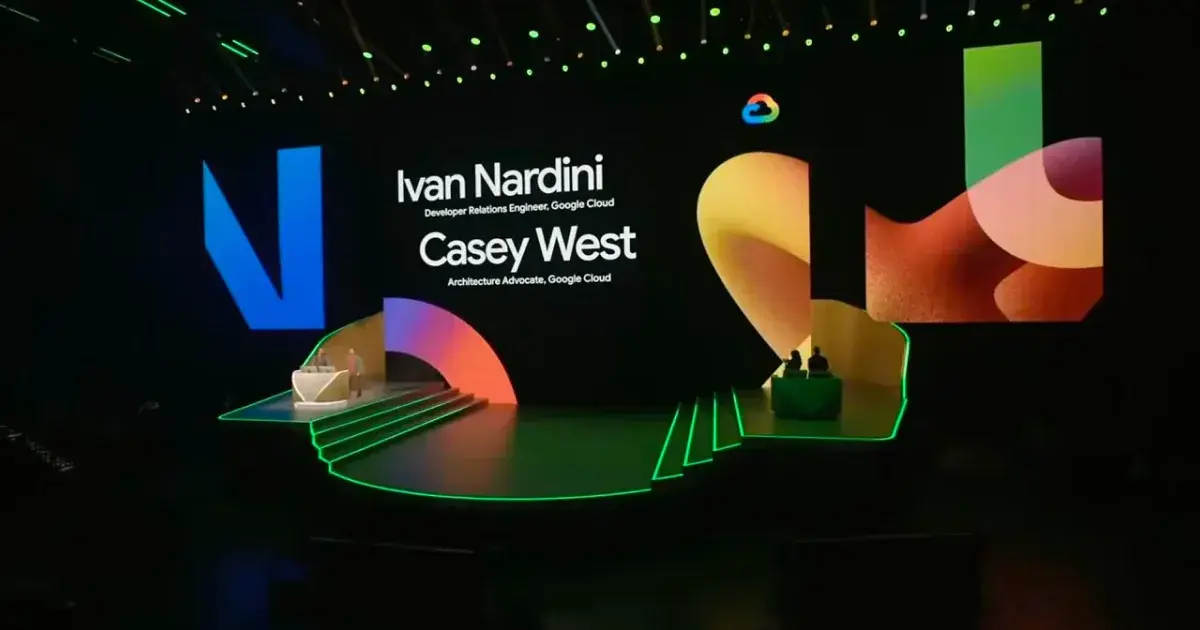
The package extended beyond hero moments into every frame of the production: speaker walk-ons, lower thirds, holding slates, in-presentation transitions, demo cues, and announcement reveals. 1,073 screen files, including 778 unique elements, were built and managed across the program. Each was sized, formatted, and timed for the canvas and the run-of-show.
Translating the abstract
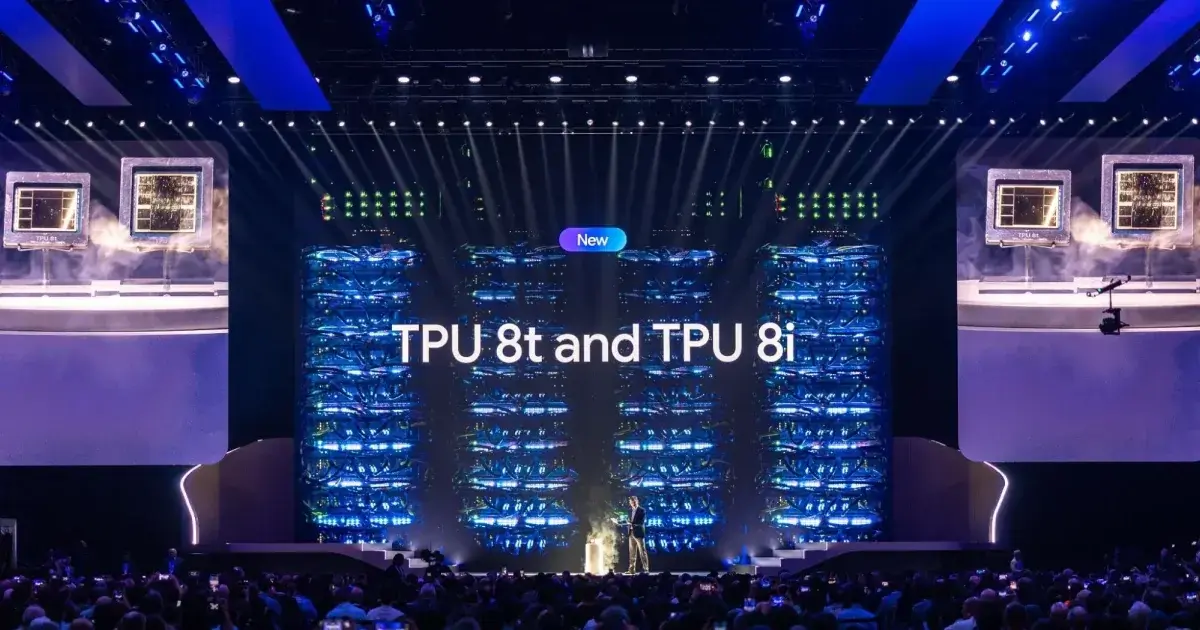
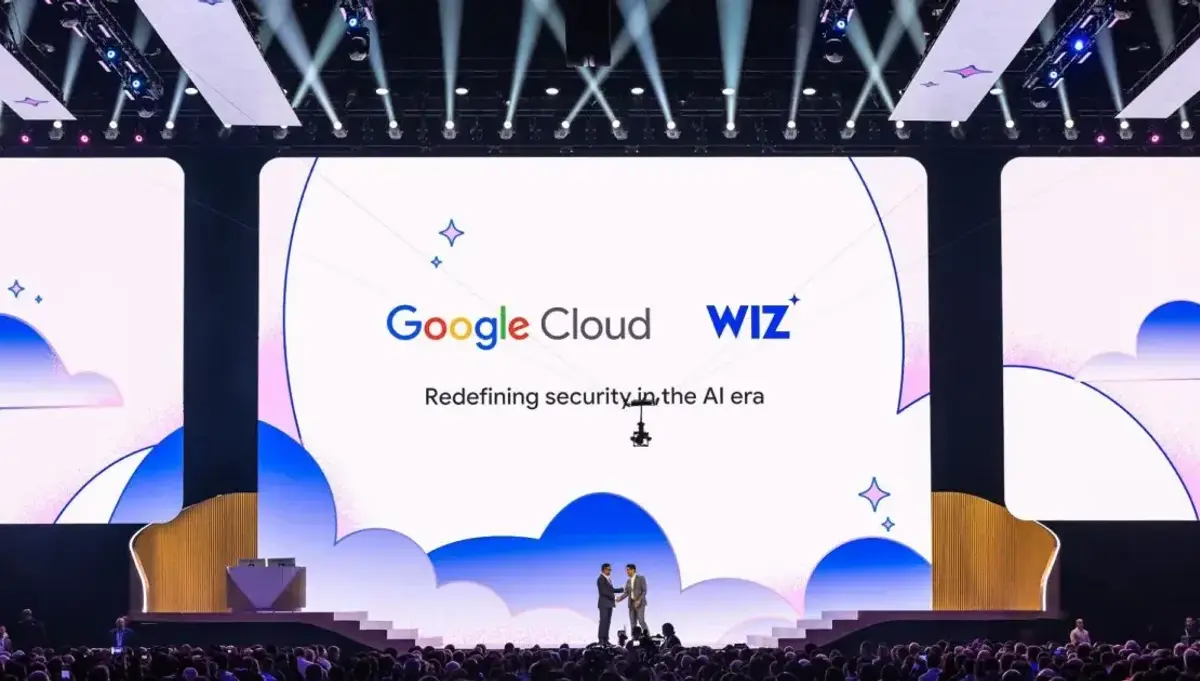
Cloud computing, AI, and infrastructure are categories that resist easy visualization. Sparks partnered closely with the Google Cloud team to translate complex concepts — compute, model architecture, data flow, security posture, partner ecosystem — into dynamic visuals built to land with developers without losing CXOs. The translation work was the design work.
Production at hyperscale
The system pushed 10TB+ of content per day and more than 10 trillion pixels across the run. The pipeline was built for it: revision, approval, render, and showfile management operated as one workflow with the Google Cloud team, with version control and on-site adjustment capacity built in for live updates between sessions.
The Impact
The 2026 Keynote program delivered on a brief that asked for cohesion at scale. Three audiences, three Keynotes, 260 announcements, and one visual language across the surface that carried it all.
|
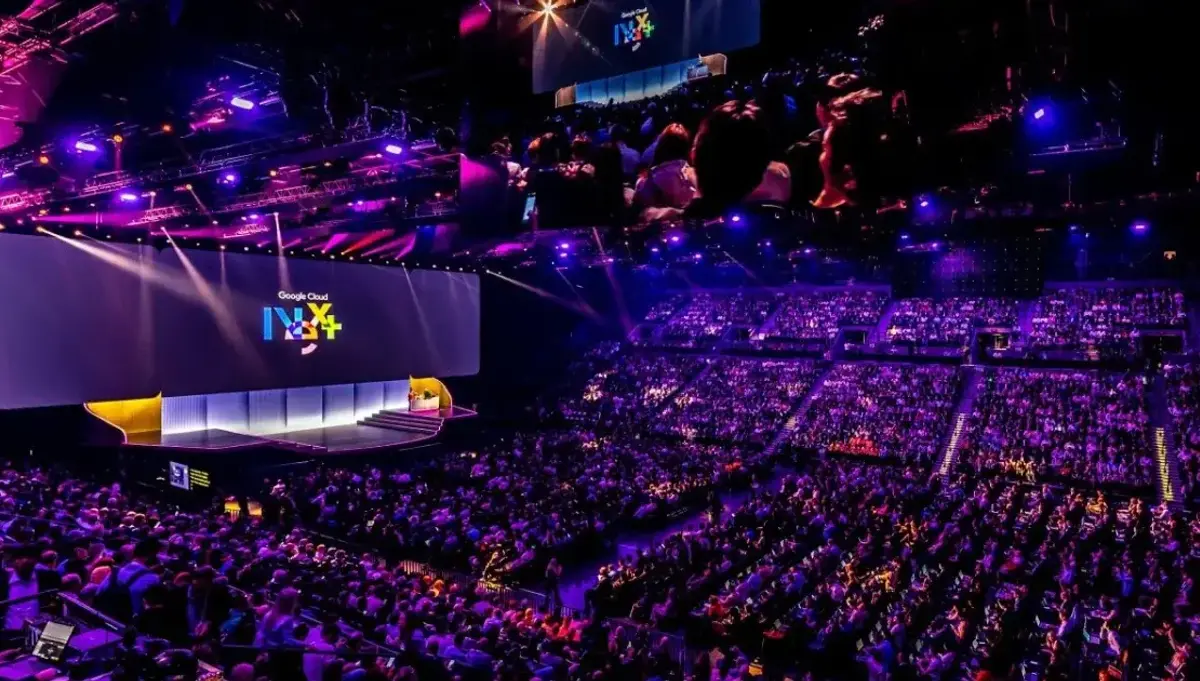
32K attendees in Las Vegas across three days |
3 Keynotes |
~3.5 hours of combined Keynote runtime |
|
260 product announcements |
1,073 screen files built and managed across the program |
778 unique visual elements |
|
10TB+ of content pushed per day |
10+ trillion pixels pushed across the run |
60+ designers, motion animators, and producers operating as one team with Google Cloud |
Beyond the Metrics
The program landed on three outcomes that matter to brand and revenue leaders:
One story, three audiences.
The Keynote system addressed CXOs, ITDMs, and developers within one continuous visual language — collapsing the usual gap between strategic and technical communication at enterprise tech conferences.
The screen as instrument.
A canvas at 737-wingspan scale is a production challenge most programs treat as a constraint. Here it became the storytelling lead — the surface that made 260 product announcements feel like one argument.
A production system built for the platform.
10TB per day, 10+ trillion pixels, 1,073 files, 60+ people operating as one team — a workflow built to match the scale of the company hosting it.
A Note on Partners
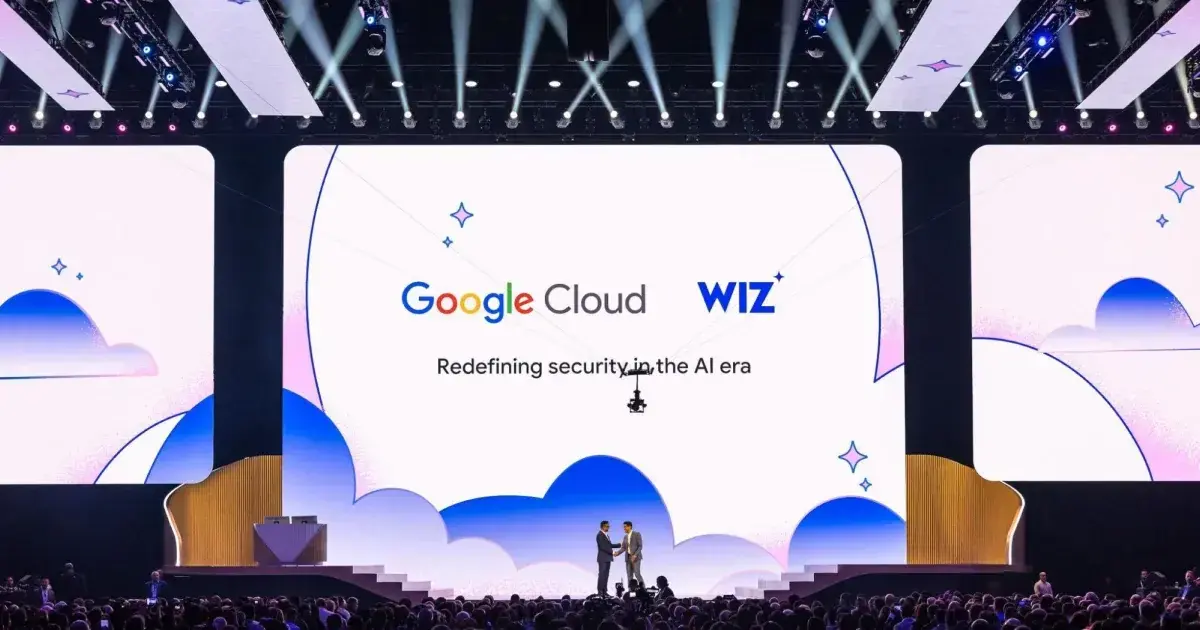
Google Cloud Next is the product of many hands. Google Cloud led the program’s vision, content direction, and product narrative. Sparks served as the lead content and visual design partner for the Keynote program — establishing the motion design guidelines, leading the visual storytelling, design, and animation across the General Keynote, General Session, Developer Keynote, and Partner Keynote, and producing the complete graphics package that ran across the surface.
The broader Next program is built by a wider ecosystem: venue and AV operations at Mandalay Bay, production crews, technical staging partners, and the Google Cloud teams across product, marketing, and developer relations who shaped the announcements themselves. Sparks’s work sits within that ecosystem — bounded to the Keynote content layer, integrated with everything around it.
FAQs
What did Sparks design and produce at Google Cloud Next 2026?
Sparks served as the lead content and visual design partner for the Keynote program at Google Cloud Next 2026. Sparks established the motion design guidelines and led visual storytelling, design, and animation across the General Keynote, General Session, Developer Keynote, and Partner Keynote, and produced the complete graphics package, including speaker walk-ons, lower thirds, holding slates, and in-presentation moments.
Where and when did Google Cloud Next 2026 take place?
Google Cloud Next 2026 was held at Mandalay Bay in Las Vegas, April 22–24, 2026. The program drew 32,000 attendees across three days.
How large was the primary Keynote screen?
The primary Keynote screen carried the wingspan of a Boeing 737 and a height taller than football field goal uprights. It was designed and used as the lead storytelling instrument across all three Keynotes, not as a backdrop for speakers.
How did Sparks translate cloud computing concepts into visuals?
Sparks partnered closely with the Google Cloud team to translate complex concepts — compute, AI model architecture, data flow, security posture, and partner ecosystem — into dynamic visuals built for the canvas. The translation work was the design work: making abstract enterprise technology categories concrete and legible at arena scale.
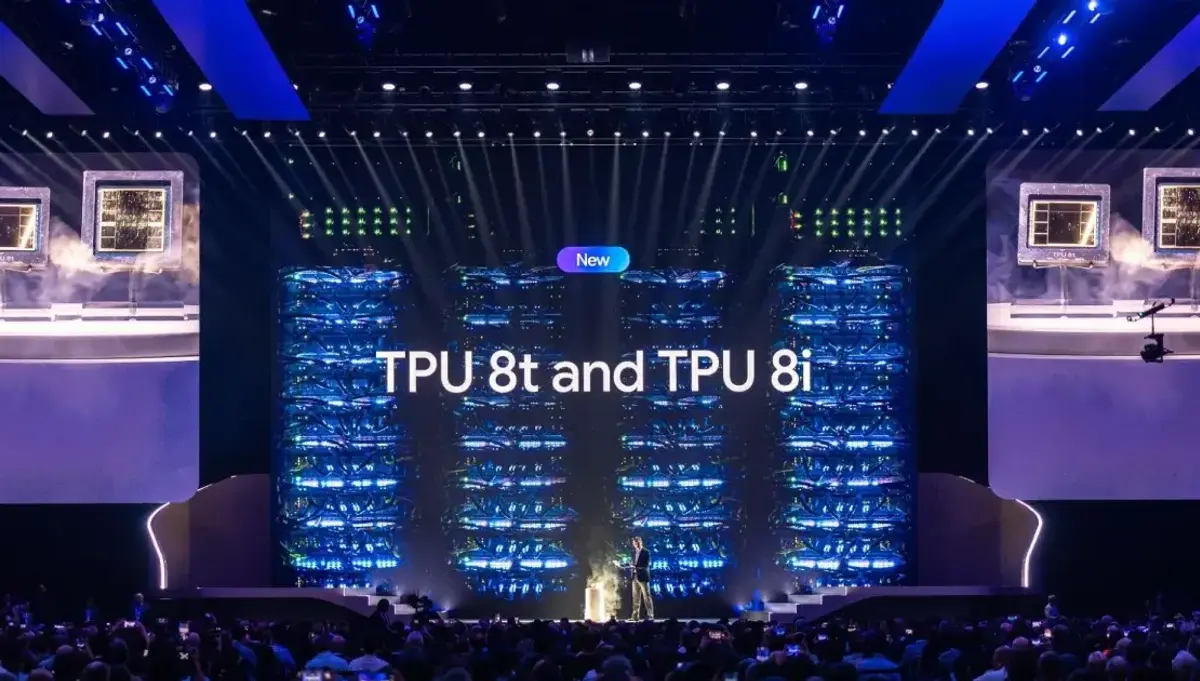
What was the production scale behind the Keynote graphics package?
Sparks built and managed 1,073 screen files across the program, including 778 unique visual elements. The production pipeline pushed more than 10TB of content per day and over 10 trillion pixels across the run.
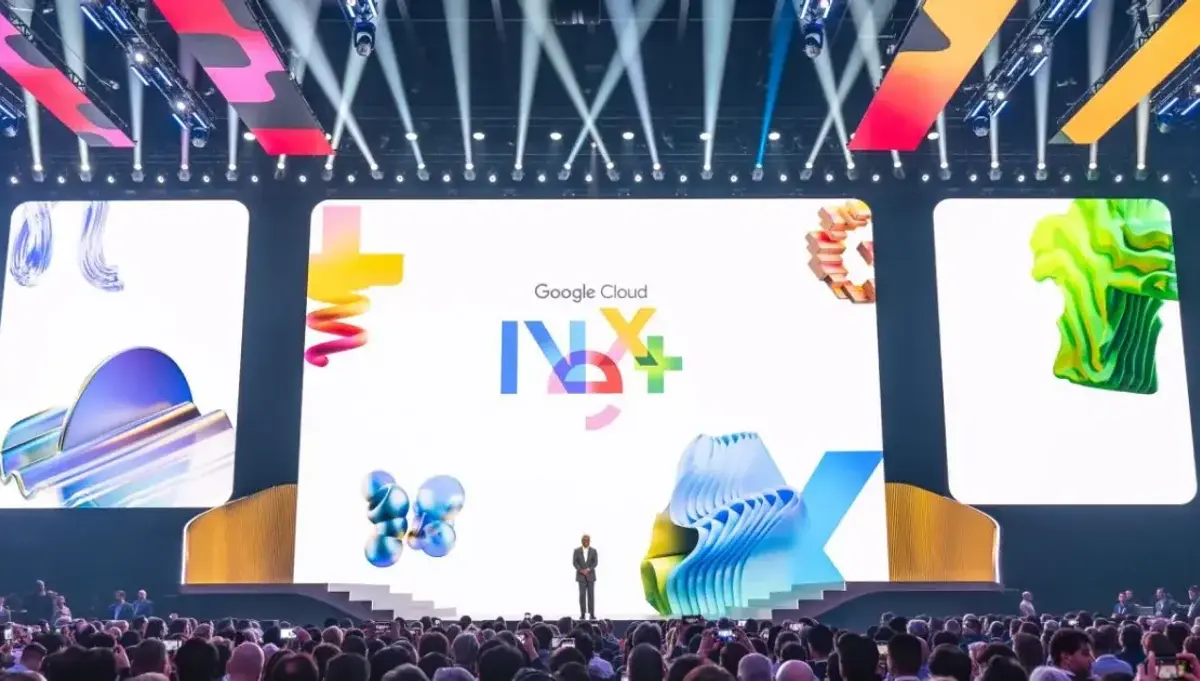
How did Sparks address three different audiences — CXOs, ITDMs, and developers?
Sparks designed one visual grammar that operated at different altitudes across the three Keynotes. Strategic frames carried the General Keynote for CXOs. Architectural and code-level frames carried the Developer Keynote. The Partner Keynote spoke to the ecosystem. The motion design guidelines, typography, and visual logic remained consistent across all three so the program read as one continuous Cloud story.
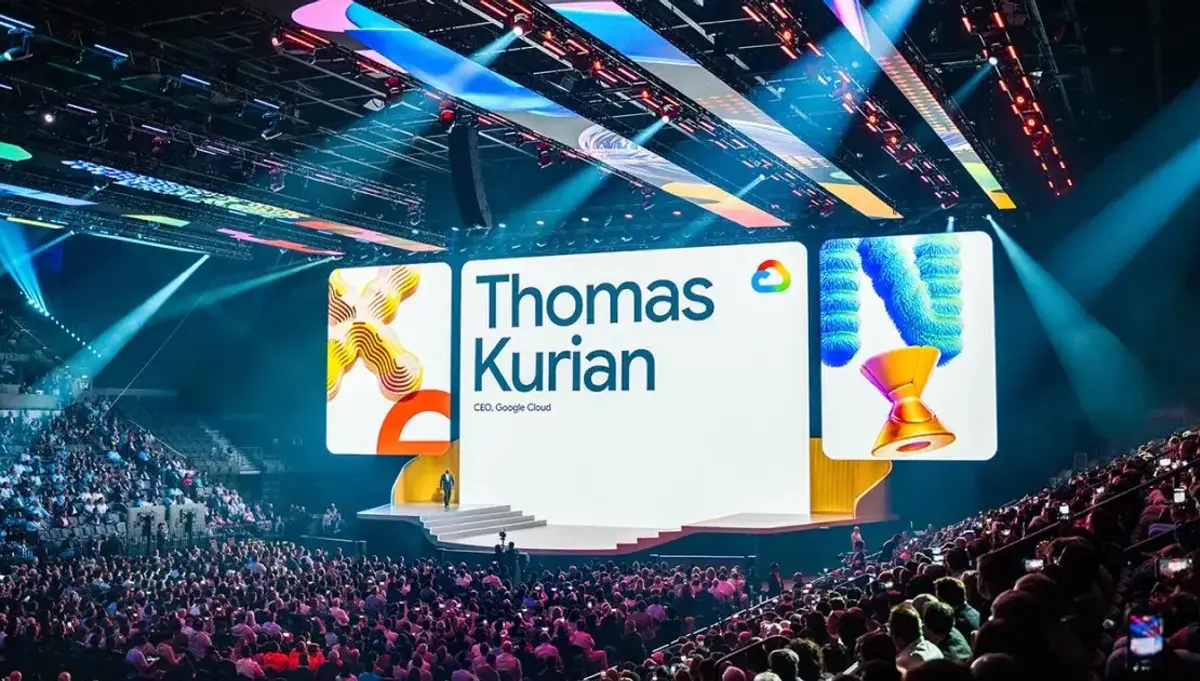
How large was the Sparks team?
Sparks deployed 60+ designers, motion animators, and producers who worked as one integrated team with Google Cloud. The team operated against a unified showfile and approval pipeline across all three Keynotes.
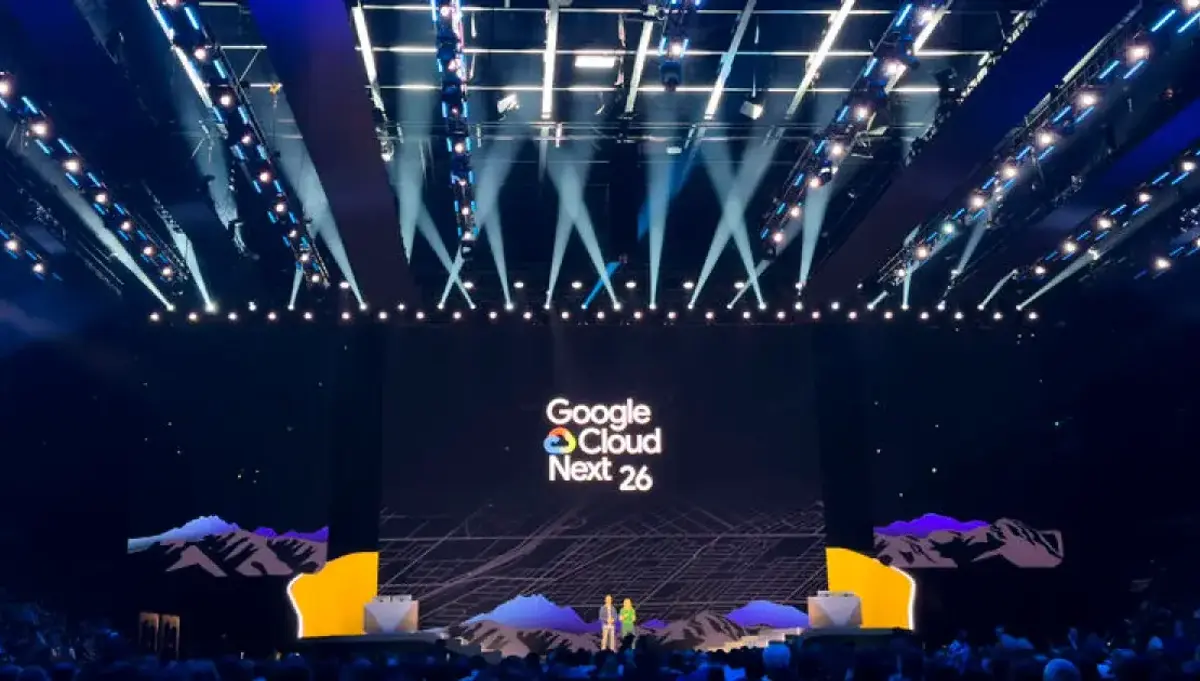
How many product announcements were made at Next 2026?
Google Cloud made 260 product announcements across the event. The Keynote visual system was built to give each announcement a clean, branded reveal within the larger narrative architecture of the program.
What makes Sparks’s approach to large-scale technology Keynotes different?
Sparks treats the screen as a storytelling instrument rather than a backdrop, and builds the visual system as one editorial voice across every Keynote in the program. The work is engineered for scale — typography that reads at distance, motion that holds at arena size, and a production pipeline that handles trillions of pixels without losing narrative coherence.
Is Sparks the right partner for a brand running a multi-audience flagship keynote?
Yes. Sparks designs and produces flagship customer and developer conferences for the world’s leading technology brands, with a track record of unifying strategic, technical, and developer audiences within a single visual language. The Google Cloud Next 2026 Keynote program is one of the largest-scale instances of that work to date.